Tag Archives: #Drehleier

Hurdy-Gurdy Christmas Inspiration: A Tune-Up for Your Mind and Music

The Secret Life of the Hurdy-Gurdy

The winter solstice brings a unique rhythm to a musician’s life. As the days grow shorter and the fire crackles, we are often gifted that rare commodity: time. Time to unwind, time to reflect, and most importantly, time to reconnect with our instruments.

If you are a hurdy-gurdy player—whether you are just finding your “sea legs” with the crank or you are a seasoned veteran—this holiday season offers the perfect opportunity for a technical and creative “tune-up.” But we aren’t just talking about applying fresh cotton or tightening the trompette. We are talking about a tune-up for your musical mind.

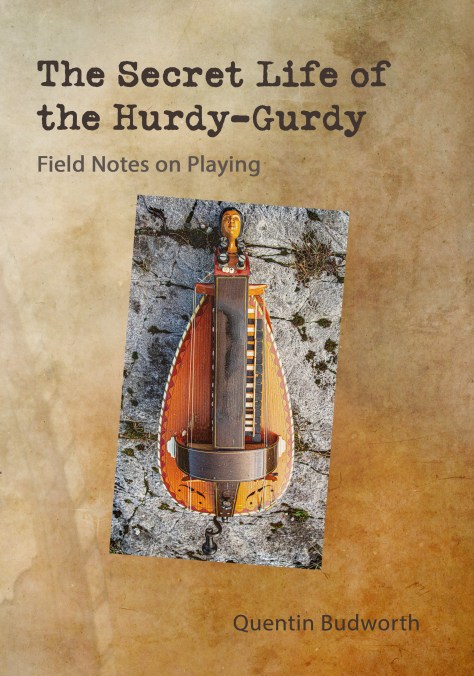
This year, true hurdy-gurdy Christmas inspiration comes in the form of a resource that feels less like a textbook and more like a late-night gathering of the world’s best players. It is called “The Secret Life of the Hurdy-Gurdy: Field Notes On Playing” by Quentin Budworth.

If you are looking for an expert hurdy-gurdy book to guide your winter practice, here is why this collection of field notes belongs on your music stand.

The Antidote to Musical Isolation

Let’s be honest: the hurdy-gurdy can be a solitary path. Unless you live in specific pockets of Central France, Northern Spain, or Hungary, you might be the only player in your town. The isolation can lead to a plateau in skills, where we stop challenging our own techniques.

Budworth’s book addresses this head-on. It acts as a bridge to the wider community, compiling the distilled knowledge, pedagogy, and personal theories of 32 renowned players from across the globe.

We are talking about insights from heavyweights like Matthias LoibnerPatrick BouffardMichalina MaliszGerman Diaz, and Steve Tyler. Instead of one teacher’s rigid dogma, you get a kaleidoscope of perspectives. It covers everything from the physics of the wheel to the social context of being a drone musician in the 21st century.

Theory, Pedagogy, and “The Secret Life”

What makes this book unique is that it doesn’t just give you sheet music; it teaches you how to think like a player. Here is how it adds depth to your practice:

  • Rethinking the Drone: One of the recurring themes in the “Field Notes” is the relationship between the player and the drone. The book explores how different experts visualize their sound—some see it as a vocal line, others as a rhythmic engine. It challenges you to stop “cranking a handle” and start “bowing a continuous circle.”
  • Pedagogy for the Self-Taught: Since so many of us are autodidacts, we often miss the “how” of learning. The book offers specific strategies on how to structure practice, how to listen to your own playing, and how to overcome technical walls.
  • Social Context: Budworth includes fascinating chapters on where the instrument fits in society. It connects the modern player to a lineage of beggars, courtiers, and avant-garde performers, helping you understand the weight and history of the instrument in your lap.

A Guide for Your Holiday Practice Sessions

As you plan your holiday downtime, you can use “The Secret Life of the Hurdy-Gurdy” to structure a practice regimen that breaks old habits.

1. The “Sound Design” Session:
Use the expert interviews to focus purely on tone. Spend a session adjusting your pressure and speed based on the descriptions in the book. Can you achieve the vocal quality described by the masters?

2. The “Rhythmic Reset”:
Dive into the sections on the coup de poignet (wrist stroke). The book reveals how different cultures approach rhythm—from the strict dance beats of the Bourbonnais to the fluid styles of contemporary folk. Use the holidays to deconstruct your rhythm and rebuild it with greater intent.

An Ethical Gift: Buying Direct from the Artist

In an era of generic online shopping, there is something grounding about purchasing independent art directly from the source. Quentin Budworth is a champion of the independent creative spirit. In a move that aligns perfectly with the folk tradition, he has made the book available directly to the community.

There is no corporate markup here. When you buy this book, your money goes to the researcher and artist who created it.

The Investment:

  • USA: $35
  • UK: £24.99
  • Europe: €35
  • (Shipping is calculated upon inquiry based on your location).

How to Order Your Copy

To secure a copy for yourself or as a thoughtful gift for a loved one, the process is personal and simple:

  1. Send an email to quentinbudworth@yahoo.com.
  2. Include your postal address and the number of copies you wish to purchase.
  3. Await the reply: Quentin will respond with the total cost including shipping and payment details (typically PayPal or Bank Transfer).

Final Thoughts

This Christmas, don’t just practice your mistakes. Practice with purpose. Let the collective wisdom of 32 masters guide your hand. “The Secret Life of the Hurdy-Gurdy” is more than a book; it is a mentorship in paperback form.

Grab a copy, pour a glass of something warm, and let’s get that wheel spinning.

Merry Christmas and Happy Cranking!

A Feast for the Mind (and the Ears): Thanksgiving with the Hurdy-Gurdy

The turkey has been carved, the pie has been demolished, and the house is finally quieting down.

For many of us, the holidays are a time to pause and reflect on what we are grateful for. This year, alongside family and health, I’m finding myself incredibly grateful for the music—and the community of players—that keeps this ancient instrument alive.

But why should the feasting stop at the dinner table?

If you are looking to feed your creativity this long weekend, I have something special for you. The Secret Life of the Hurdy-Gurdy: Field Notes on Playing is more than just a method book; it’s a gathering of wisdom.

Think of it as inviting over 30 of the world’s best players to your table to share their secrets. From the nitty-gritty of technique to the philosophy of sound, this book is packed with the kind of “insider knowledge” that usually takes years to learn on your own.

A Special Thanksgiving Treat 🦃

Email: quentinbudworth@yahoo.com to order your copy

Don’t let your playing get cold this winter. Grab a slice of wisdom, curl up on the sofa, and discover the secret life of your instrument.

Eat, drink, and be cranberry!

Happy Thanksgiving,
[Your Name/Quentin]

Cranking in the Cold: A Guide to Playing the Hurdy-Gurdy in Winter

There is something magically atmospheric about the sound of a hurdy-gurdy drifting through the crisp winter air. Whether it’s a Christmas market, a Yuletide festival, or simply busking for the holiday crowds, winter gigs can be lucrative and fun. However, they present a unique set of challenges. Playing the hurdy-gurdy requires precise finger dexterity, and you are essentially operating a complex wooden machine that hates the weather as much as you do.

Having performed in temperatures as low as minus 12°C (during a memorable stint at Beamish near Newcastle), I’ve learned the hard way that survival isn’t just about piling on clothes, it’s about strategy. Here is how to stay warm, keep safe, and avoid the dreaded “Michelin Man or woman” effect.

Preparation: Do the “Faffing” Indoors

Winter playing requires military-style preparation. Do not leave maintenance until you arrive at the venue.

  • Set Up at Home: Faffing with cotton is no fun in the ice and gloom of midwinter. Trying to re-cotton a string or adjust a tangent with frozen fingers in fading light is a recipe for misery. Get your instrument perfectly regulated in the warmth and good light of your home before you set off.
  • Acclimatisation: While you should set up in the warmth, you must respect thermal shock. Never take a warm gurdy directly into freezing air to play immediately. Store the instrument in a cold environment (like a secure porch, hallway, or vehicle boot). This lets the wood settle. This prevents the tuning from going wild and protects the structure from sudden contraction.

The Rosin Strategy: Darker is Better

Rosin’s behaviour changes drastically in low temperatures. Standard light/hard rosin can become brittle and glassy, sliding over the strings rather than gripping them.

  • Choose the Right Rosin: In cold weather, softer, darker rosin is generally superior. Switch from a hard violin rosin to a dark cello or double bass rosin. Because it is naturally softer and stickier, it remains pliable in freezing temperatures where lighter rosin would just flake off as dust.
  • Keep it Warm: Even soft rosin hates the cold. Keep your block of rosin in your trouser pocket. Your body heat will keep it at a workable consistency.
  • Application: The general method of application remains the same, but because the wheel is cold, you need the rosin to be warm enough to adhere. If the rosin is warm (from your pocket) and the grade is soft (dark), it will coat the wheel evenly. If it’s cold and hard, it will skid across the surface.

The Art of Layering (Without Losing Mobility)

The golden rule is layering, but avoid the “Michelin Man” effect, where you have so many layers (vest, shirt, jumper, waistcoat, jacket, coat) that your arms stick out at 45-degree angles.

The Fix: Layer up, but try your outfit on with the instrument before you leave the house.

  • Base Layer: High-quality thermals are non-negotiable.
  • Trousers: Denim is useless in the cold. Opt for heavy external fabrics like heavy wool, moleskin, or thick corduroy.
  • The Coat: A heavy, long overcoat traps heat around your legs and looks the part.

Extremities: Hands and Feet

  • Left Hand: Fingerless gloves help keep the left hand warm and dextrous. You need exposed fingertips to feel the keys.
  • Feet: Standing on frozen ground rapidly drains heat. Wear stout, waterproof boots with thermal furry insoles to create a barrier against the cold earth.
  • Heat Packs: Keep chemical hand warmers in your pockets. Use them to “recharge” your hands (and your rosin!) between sets.

Safety and Surroundings

Working in winter means working in a hostile environment. You need to be hyper-aware of your surroundings.

  • Beware of Ice: This is critical. You really don’t want to fall over with your instrument strapped on. If you slip on black ice, your instinct is to break your fall with your hands, risking breaking a wrist. A fall can result in a broken player and a smashed instrument. Tread carefully.
  • Damp and Wind: As I found at Beamish, the damp is worse than the cold. It seeps into your bones and makes the wheel misbehave. Find a nook or stand with your back to a wall to cut the wind chill.

The Performance: Keep it Simple

Finally, adjust your mindset. You are not in a concert hall; you are battling the elements.

  • Simplify the Repertoire: Your fingers will be colder than usual, and your instrument response may be sluggish. Keep the music simple. Save your energy and focus on keeping spirits high with strong, rhythmic tunes rather than complex ornamentation that might trip you up when your fingers are numb.
  • Keep Moving: Stamping your feet and shifting your weight isn’t just part of the performance—it keeps the blood pumping and stops you from freezing to the spot. The addition of sleigh bells to the ankles adds a seasonal element to your nifty footwork.
  • Reduce Cognitive Load: remember you have to get home in one piece so don’t overplay, keep sets and audience interactions short, snappy and fun.

My friend Rick from historical musicians Hautbois had a fantastic set of very large woollen mittens/driver’s gloves which he hung around his neck as part of his Edwardian musician costume. His secret trick was to hide a small hot water bottle in each mitten, ensuring warm, dextrous fingers throughout proceedings!

Quentin Budworth is author of ‘The Secret Life of the Hurdy-Gurdy : Field Notes on Playing,’ available by emailing quentinbudworth@yahoo.com

The Secret Life of the Hurdy-Gurdy

The Perfect Gurdy Gift

Struggling to find the perfect Christmas present for the hurdy-gurdy player in your life? This year, give them an experience they’ll treasure forever: the gift of personalised hurdy-gurdy lessons with expert Quentin Budworth.

Forget novelty mugs and festive socks. A gift voucher for one-to-one tuition with a world-class instructor is a truly unique and thoughtful present that will help them unlock their musical potential. Whether they are a complete beginner or an advanced player, Quentin’s tailored tuition can help them reach their goals.

The Perfect Present for Any Hurdy-Gurdy Player, Anywhere

One of the greatest advantages of these lesson vouchers is their flexibility. Quentin offers tuition to players of all abilities and interests, both in-person and online via Skype. This means that no matter where your loved one is in the world, they can benefit from his extensive knowledge and supportive teaching style.

Quentin’s expertise spans a vast range of musical traditions. Having studied with leading hurdy-gurdy players and folk musicians from across Europe—including France, Spain, Crete, Germany, and Holland—he can teach a wide variety of styles, dances, rhythms, and ornamentation techniques. His students learn not just how to play, but how to express themselves through this fascinating instrument.

Learn from a Master of the Hurdy-Gurdy

Quentin Budworth is more than just a teacher; he is a highly respected musician who has dedicated his life to the hurdy-gurdy. He has studied with some of the most renowned players in the world, including German Díaz, Gilles Chabenat, and Efren Lopez, to name just a few.

His passion for the instrument is infectious, and his patient and knowledgeable teaching style has been praised by students from all walks of life. As one student, Sarah from West Somerset, shared: “Thanks Quentin, for your patience and knowledgeable and comfortable teaching style, and for the delicious lunch!” Another student, Angela Harley, highly recommends Quentin for those who “want to learn and have fun!”

Gift Vouchers for Every Budget

There is a lesson package to suit every need and budget, making it an accessible gift for anyone.

  • Individual Lessons: £40 per hour.
  • Skype Lessons: £40 per lesson, with an additional 15 minutes to ensure a smooth connection.
  • “Zero to Hero” Intensive Day: For those looking for a truly immersive experience, this full-day, five-hour session includes lunch and is priced at £200.

How to Purchase Your Gift Voucher

Ready to give the gift of music this Christmas? To book a lesson or purchase a gift voucher, simply call 07877434739 or email quentinbudworth@yahoo.com.

This festive season, move beyond the material and give a gift that truly resonates. A voucher for hurdy-gurdy lessons with Quentin Budworth is an investment in passion, a catalyst for creativity, and a unique opportunity for a musician to deepen their connection with their instrument.